Dr. Pius Akutah: Why Strategic Partnerships and National Unity Matter for the Future of Benue.
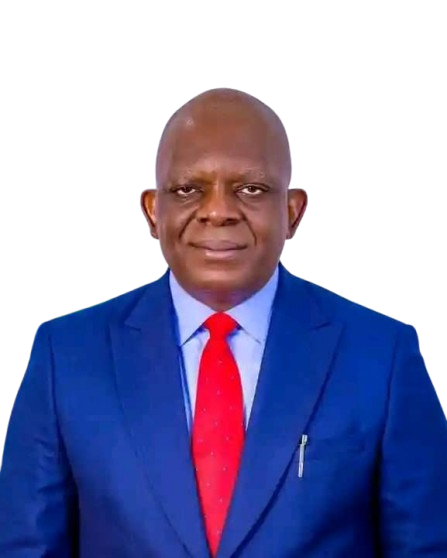
Nigeria’s democracy continues to evolve, and with it comes the responsibility of leaders to look beyond party affiliations and focus on what truly matters — the wellbeing of the people and the development of our communities.
Recently, I had the privilege of visiting the residence of His Excellency, Chief Samuel Ortom, former Governor of Benue State. The meeting brought together respected leaders and members of the Peoples Democratic Party (PDP) in Benue State for discussions about the future of our state and the role leaders must play in shaping Nigeria’s progress.
For me, the visit was not about politics in the narrow sense. It was about dialogue, respect, and the importance of building bridges between leaders who share a common interest in the development of Benue State and Nigeria.
The Importance of Respecting Leadership Across Political Lines
In every democracy, progress is achieved when leaders are able to recognise the contributions of others, even when they come from different political backgrounds.
Chief Samuel Ortom remains a significant figure in the history of Benue State. During his tenure as governor, our state faced serious security challenges that affected many rural communities and farming settlements.
These were difficult moments for Benue people. Families were displaced, farmers were unable to cultivate their land, and many communities lived with uncertainty about the future.
Leadership during such times requires courage and determination. It requires the willingness to stand up and advocate for the protection of citizens.
While every administration faces criticism and challenges, it is important to acknowledge when leaders demonstrate commitment to the protection and welfare of their people.
Our democracy becomes stronger when we cultivate a culture of respect and constructive engagement.
"This vision aligns with the broader development goals being discussed across platforms such as the PAG27 movement."
Why Strategic Partnerships Are Critical for Development
One of the central messages I shared during the meeting was the importance of strategic partnerships among leaders and institutions.
Nigeria today faces complex challenges that cannot be solved by one government, one political party, or one individual alone. Issues such as insecurity, economic development, infrastructure expansion, and youth empowerment require cooperation across political and institutional boundaries.
When leaders collaborate, development accelerates.
As Executive Secretary and Chief Executive Officer of the Nigerian Shippers’ Council, I have witnessed firsthand how cooperation between government agencies, private sector stakeholders, and international partners can produce tangible results.
The maritime and logistics sector is a good example. When regulatory agencies, port operators, shipping companies, and logistics providers work together, the entire system becomes more efficient.
The same principle applies to governance.
When leaders from different political backgrounds are willing to cooperate for the benefit of the people, communities prosper.
Looking Ahead to the 2027 Elections
As Nigeria gradually moves toward the 2027 general elections, political discussions are becoming more active across the country.
These conversations are healthy for democracy because they allow citizens and leaders to reflect on the direction our country should take.
During the meeting in Benue, I expressed my belief that President Bola Ahmed Tinubu deserves broad national support as Nigeria continues its journey toward reform and economic transformation.
Economic reform is never easy. It often involves difficult decisions that may take time before their full benefits become visible.
However, leadership sometimes requires the courage to pursue policies that create long-term stability even when the short-term journey is challenging.
Nigeria’s economic future depends on reforms that strengthen productivity, attract investment, expand infrastructure, and create opportunities for young people.
Supporting policies that promote national development should never be seen purely through partisan lenses. It should be understood as a commitment to the future of our country.
The Role of Benue in Nigeria’s Development
Benue State occupies a unique position in Nigeria’s economic landscape.
Our state is widely known as the Food Basket of the Nation, and rightly so. The fertile land of Benue supports large-scale agricultural production that contributes significantly to Nigeria’s food supply.
But agriculture alone does not define the full potential of Benue.
Our state possesses opportunities in agro-processing, logistics, education, entrepreneurship, and emerging technology sectors. With the right policies and investments, Benue can become a powerful economic hub within Nigeria’s North-Central region.
Unlocking this potential requires leadership that understands both the realities of local communities and the broader economic opportunities available in the modern world.
It requires leaders who are committed to security, infrastructure development, youth empowerment, and agricultural modernization.
Conversations About Leadership from the Kwande Axis
Across Benue State, many people have begun discussing the possibility that the Kwande axis could produce the next governor of the state.
These conversations reflect the importance of inclusive leadership and the desire for different regions of the state to contribute to governance.
As someone who proudly comes from Kwande, I have received encouragement from many citizens, community leaders, and stakeholders who believe I should make myself available for service if the people deem it appropriate.
I am deeply humbled by the confidence and goodwill expressed by many individuals.
Public service must always be approached with humility. Leadership is not about personal ambition. It is about responsibility.
If the people of Benue ever decide that I should serve in a greater capacity, my commitment will remain focused on protecting lives, strengthening the economy, and ensuring that development reaches every community in the state.
Security Must Remain a Priority
One of the most urgent challenges facing Benue today remains the security situation affecting many rural communities.
Many farming settlements have experienced displacement due to attacks on villages. These incidents not only affect lives but also disrupt agricultural production, which is the backbone of our state’s economy.
A sustainable solution will require coordination between federal security agencies, state authorities, community leaders, and modern technological support systems capable of improving surveillance and early response.
Security must remain the foundation upon which all other development efforts are built.
Without safety, economic growth becomes difficult to sustain.
Investing in the Future of Benue Youth
Another critical priority for the future of Benue is youth empowerment.
Our young people represent one of the greatest assets of our state. Across communities, there are talented students, innovative entrepreneurs, and creative minds who are eager to contribute to the development of society.
Government policies must focus on providing opportunities for these young people through education, digital training, entrepreneurship programs, and access to investment capital.
When youth are empowered, communities become more stable, economies become more vibrant, and societies move forward with confidence.
Building a Shared Vision for Benue
Ultimately, the future of Benue State will depend on the collective effort of its people.
No single leader can transform a state alone. Progress requires collaboration between government institutions, private sector partners, civil society organisations, and local communities.
It also requires a culture of unity, dialogue, and respect.
My visit to Chief Samuel Ortom and the PDP leadership in Benue was a reflection of this belief — that leaders must continue to engage in conversations that strengthen cooperation rather than deepen division.
A Future Built on Unity and Development
Benue State possesses the resources, talent, and resilience necessary to build a prosperous future.
What we must nurture is a shared commitment to development, accountability, and leadership that places the people first.
As Nigeria moves closer to the 2027 elections, it is my hope that political discussions across the country will remain focused on ideas, solutions, and policies that improve the lives of citizens.
The journey toward a stronger Benue and a more prosperous Nigeria requires leaders who are willing to build bridges.
Together, we can create a future where communities are secure, farmers are supported, young people are empowered, and opportunities for prosperity reach every corner of our state.
That is the vision we must pursue — and it is a responsibility we must all share.
— Dr. Pius Ukeyima AkutahExecutive Secretary/CEONigerian Shippers’ Council


Article Schema
Author: Dr. Pius Ukeyima Akutah
Title: Strategic Partnerships and the Future of Benue
Category: Politics, Leadership, Development
Location: Benue State, Nigeria
Keywords: Benue politics, Pius Akutah, Kwande leadership, Nigeria development
Published: 2026


Comments